

Let me tell you,2026’s shaping up to be one of the most interesting years yet. The game’s changing fast, and not just with new designs. Here’s what we’re actually seeing on the ground with wall tiles and ceramic tiles exports:
Sustainability? It’s Not a Trend Anymore—it’s the Price of Entry
You can’t pitch tiles to buyers these days without leading with sustainability. Just last month, a Kenyan contractor told us flat-out: “If it doesn’t have a recycled materials cert, we’re not even looking.” Customers aren’t just asking—they’re demanding to see your production plant’s energy bills, your water recycling rates.
And here’s the thing: It’s not just “greenwashing” anymore. We’ve had Middle Eastern clients fly in to audit our partner factories in Guangdong, checking if we’re really using 30% recycled clay. The ones who do? They’re getting 15-20% higher margins. The ones who don’t? They’re losing bids to competitors who can show the paperwork.
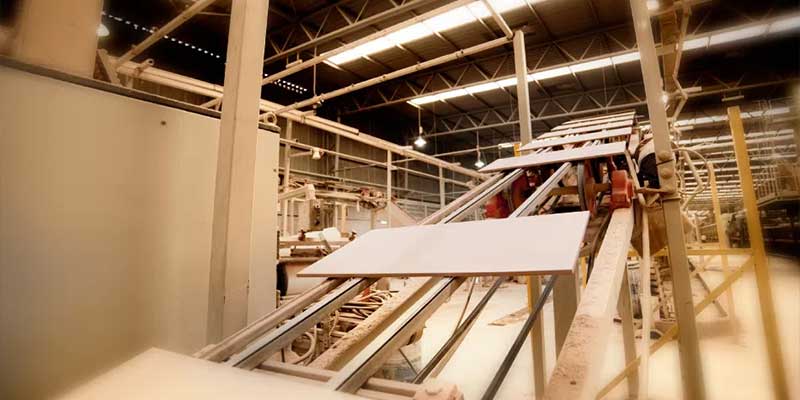
Digital Printing: “I Want That Marble Look—But Make It Custom”
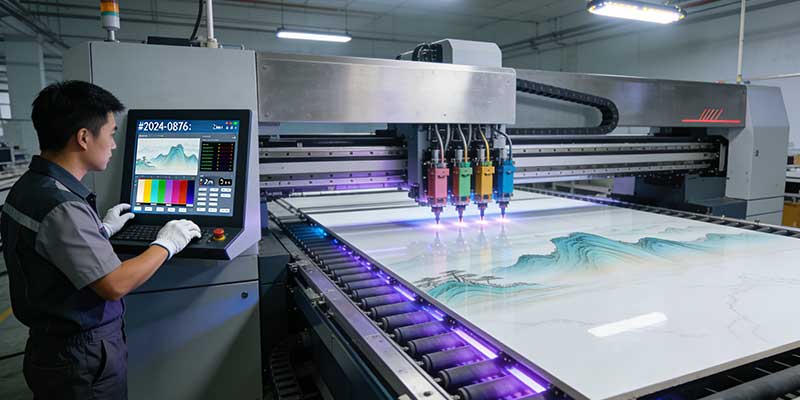
Remember when tile designs were basically “pick from these 10 patterns”? Not anymore. Last quarter, a hotel chain in Vietnam ordered 5,000 tiles—each with a unique local landscape printed on it. And get this: They were willing to pay double the usual price.
Digital printing’s made small-batch, hyper-custom orders profitable. We’re seeing a lot of demand from boutique resorts in Bali or beachfront villas in Thailand—places that want tiles that tell a story, not just cover a wall. The tech’s gotten so good, you can barely tell a printed tile from real stone… and buyers love that flexibility.
Smart Tiles: “Cool, But Let’s Keep It Practical”
Okay, full disclosure: Those “tiles with built-in screens” you see in tech demos? They’re still niche. What’s actually selling? Practical smart features. We just shipped a container to Dubai with heated bathroom tiles—perfect for their cold winter mornings. And in Singapore, hotels are snapping up tiles with anti-slip tech and built-in LED lighting for hallways.
The key here? Don’t overcomplicate it. Buyers in emerging markets want “smart” that solves real problems, not just looks cool. Our Indian clients, for example, are all over tiles that resist mold in humid climates—simple tech, but game-changing for their market.
Regional Gossip (The Real Stuff You Won’t Read in Reports)
Middle East: Dubai’s Expo 2025 prep is driving massive demand for large-format, high-gloss tiles. But here’s the kicker: They want it yesterday. Lead times under 30 days are winning contracts, even if you charge a premium for rush orders.
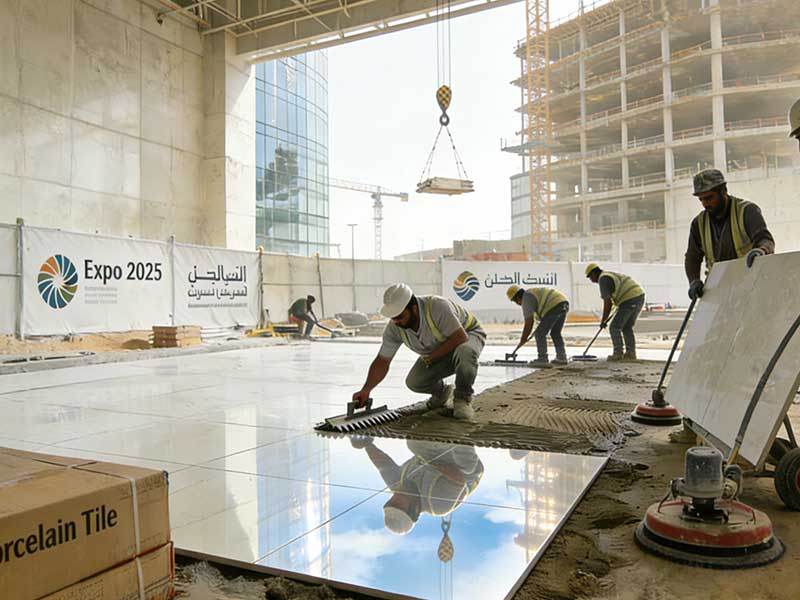
Africa: Nigeria and Kenya are booming, but cash flow is tight. We’ve started offering 60-day payment terms (vs. the usual 30) to stay competitive—worth it, because their infrastructure projects are huge. They love earthy tones and geometric patterns, by the way—think “Moroccan vibes meets modern minimalism.”
Southeast Asia: Vietnam and Indonesia can’t get enough of wood-look tiles for high-rise apartments. Young couples there want the “natural wood feel” but hate the maintenance, so our textured wood-print tiles are flying off the shelves.
Supply Chains: “We’ve All Been Burned—Now We’re Cautious”
Remember the 2023 shipping crisis? Buyers haven’t forgotten. Last week, a Malaysian client asked to visit our warehouse before placing an order—they wanted to see if we had backup stock in case ports get jammed again.
Regional hubs are becoming a must. We’re seeing more manufacturers setting up small distribution centers in Jakarta or Dubai, so they can ship locally if main ports are delayed. It adds cost, but it’s the only way to keep clients happy these days.
The Bottom Line for 2026
At the end of the day, tiles are still about trust. Buyers don’t just want a product—they want a partner who gets their market, their challenges, and their customers. Sustainability, tech, smart features—they’re all important. But what really wins deals? Sitting across from a client, showing them a sample, and saying, “We know your market—this will sell.”
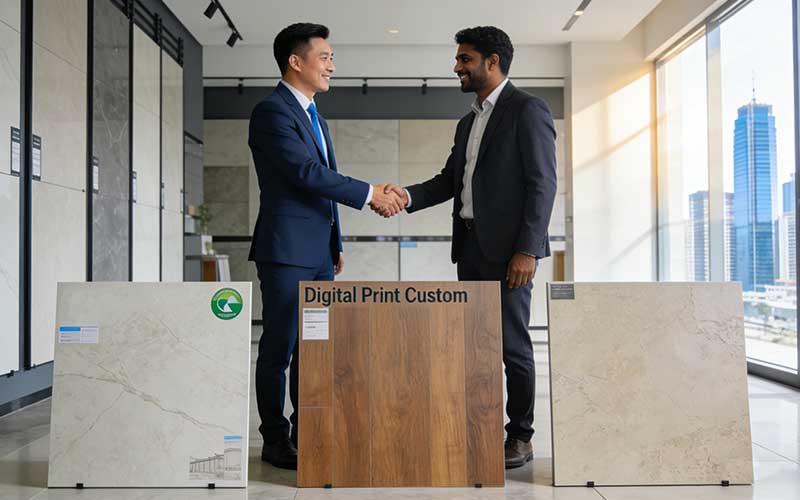
That’s the human touch AI can’t copy. And in 2026? That’s still our best export.
